01
Every dive is new
Six deepening zones, fifteen ores, and a continuous shaft that regenerates every run. Deeper means richer — and deadlier.
You're a contracted miner on a frontier planet. Your employer is suspicious. The planet is older than it should be. And the deeper you go, the less the company wants you to come back.
The Contract
"Whatever you find down there belongs to AXIOM. Whatever happens to you down there belongs to the planet."
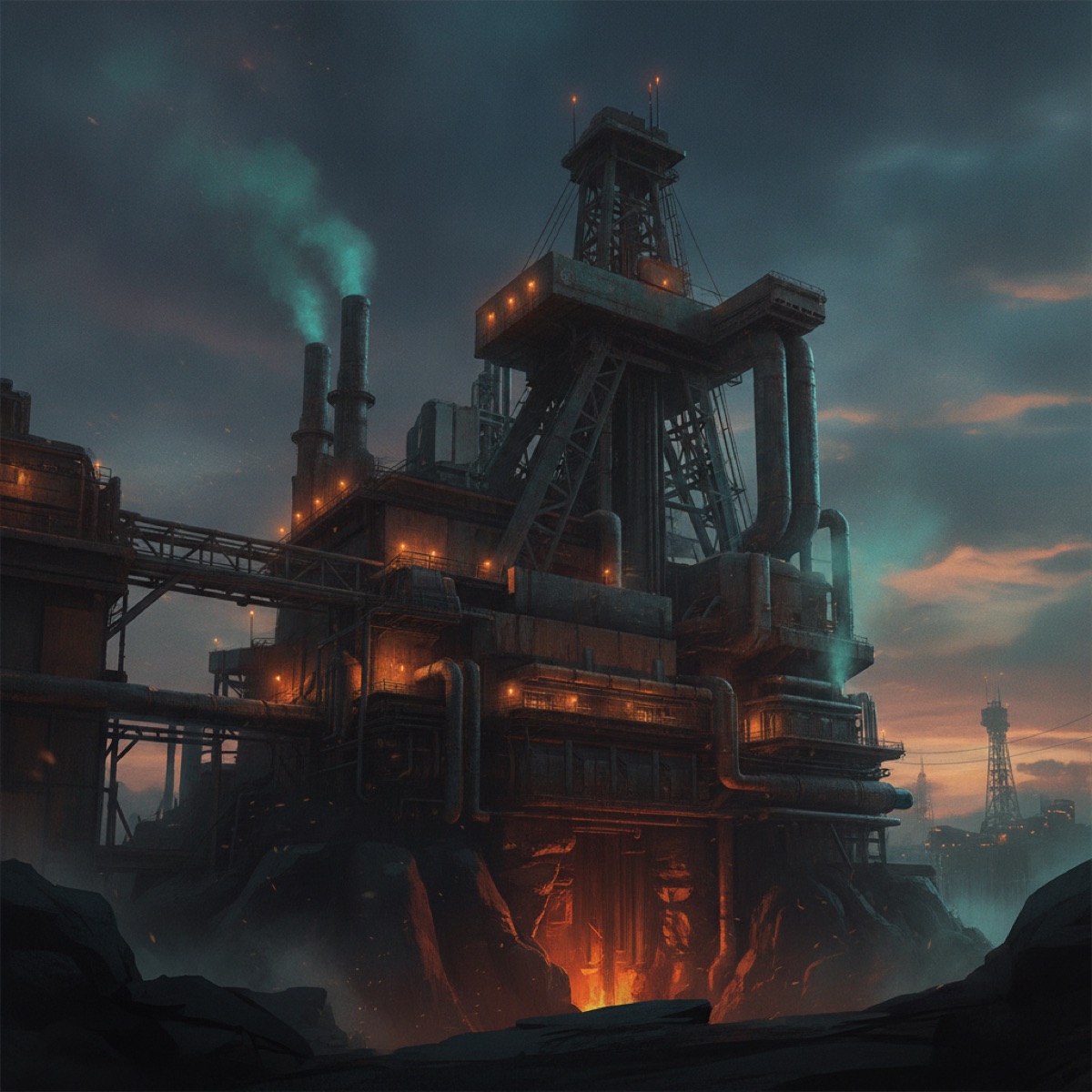
— AXIOM Corp Onboarding Terminal, Surface LevelKerath-9 was classified geologically stable. The classification was wrong. AXIOM has held exclusive extraction rights for eleven years and has never explained why they keep renewing them. When you land, the installation is nearly empty — four buildings, a landing pad, a comms tower, a sky the color of old copper. There are no other miners. There should be dozens.
The Loop
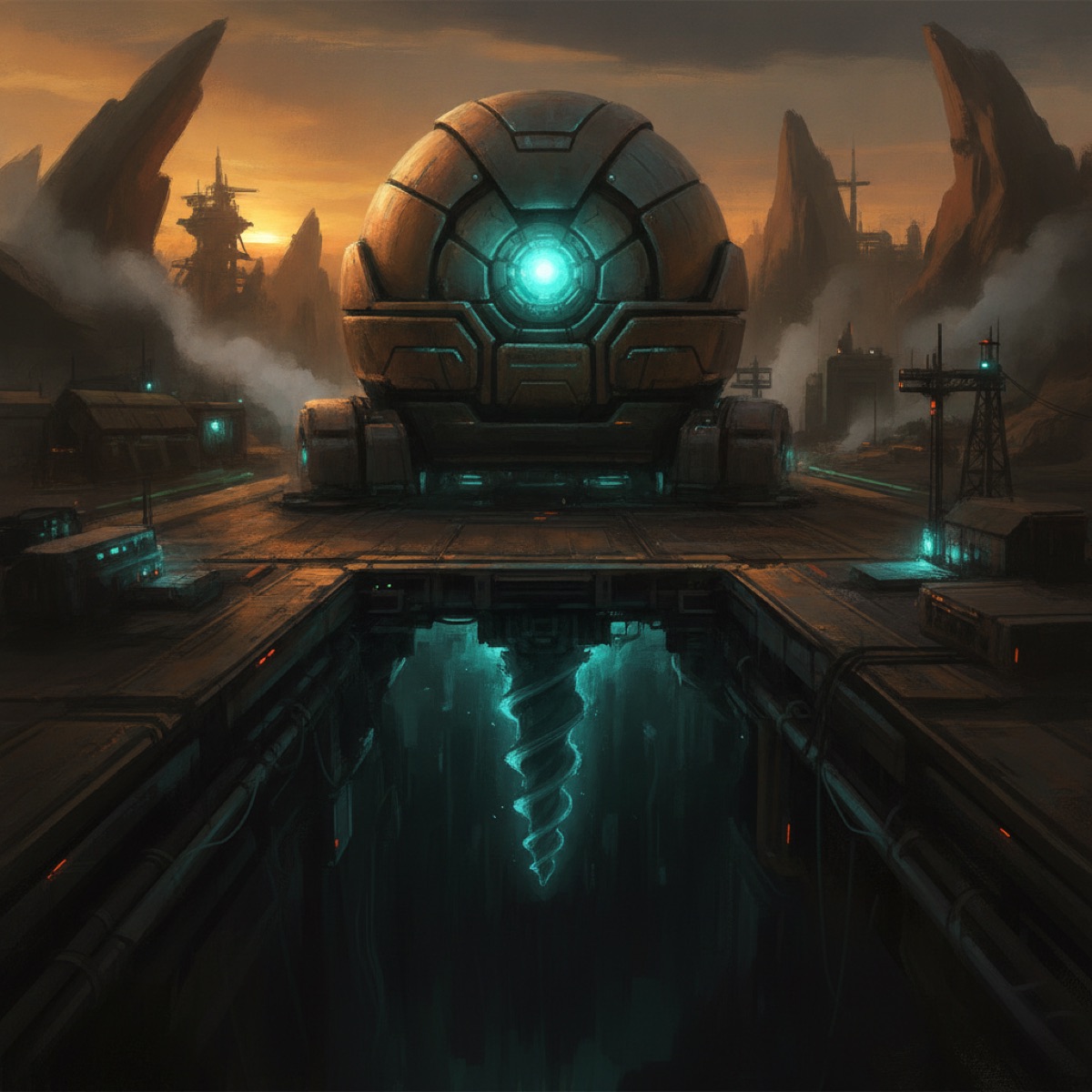
Surfacing early is always safe. Surfacing late is always lucrative. Dying is always costly. That tension — cash out, or push one more vein — is the whole game, and it resets every single dive. Procedural generation isn't window dressing: ore, hazards, events and transmissions are re-seeded every run. No two descents are the same at any depth.
Six deepening zones, fifteen ores, and a continuous shaft that regenerates every run. Deeper means richer — and deadlier.
Eight upgrade slots — drill, hull, engine, fuel, cargo, sensor, thermal, auto-turret. Every upgrade shows on the rover as you spend.
Gas pockets, lava veins, aquifers, void resonance, gravity anomalies, ceiling collapses — all hunting your hull.
Auto-turrets deploy from the hull and open fire when hostiles close in — kinetic, gauss, or a violet arc lance. Or run silent with a cloak and an EMP.
Sell your haul, chase faction contracts, bank cumulative depth to unlock new zones. Death is permanent; the pressure never stops.
An Open board for total power, and Raw Talent — depth normalized to a stock rig, so skill beats spending. Then take the shared Daily Dive.
How to play
Swipe to steer the pod through a grid of tiles — every one you drill is one you can fall through. Four gauges decide how the dive ends.
Carve through soil, rock and ore. The richest seams hide under harder rock a stock drill can't bite — upgrade the drill to reach them.
Watch — drill tier vs. rockEvery move burns fuel, and you need enough left to climb back out. Run dry deep down and the only way up is a Beacon — or an expensive recovery.
Watch — fuel vs. depthOre has weight. A heavy hold drinks fuel and slows your climb. Jettison cheap rock to make room for the good stuff — or haul it all and gamble.
Watch — cargo weightHazards and hostiles chip your hull. At zero, the run ends and the cargo is lost. Every dive is the same bet: one more vein, or surface while you can.
Watch — hull integrityStrategies
The safe play prints money too. A short dive that sells clean beats a deep dive that dies. Cash out, upgrade, repeat — depth compounds across runs.
A bigger drill is useless if you can't climb home. Early credits go furthest in fuel cells and hold capacity — buy range first, flash later.
A vertical shaft is a fast trip and a dead end. Angled tunnels give you escape routes, dodge room, and access to side seams.
The richest Zone-4 ore is brittle — every hull hit shatters a piece. Carry it only when you can dive clean, and surface before you get greedy.
Auto-turrets thin the drones so you can keep drilling — but the deep doesn't tire. Past a certain depth, the smart fight is the exit.
The same ore isn't worth the same to every buyer, and demand shifts. Don't dump the hold on the first offer — sell where it's wanted.
Depth is pressure
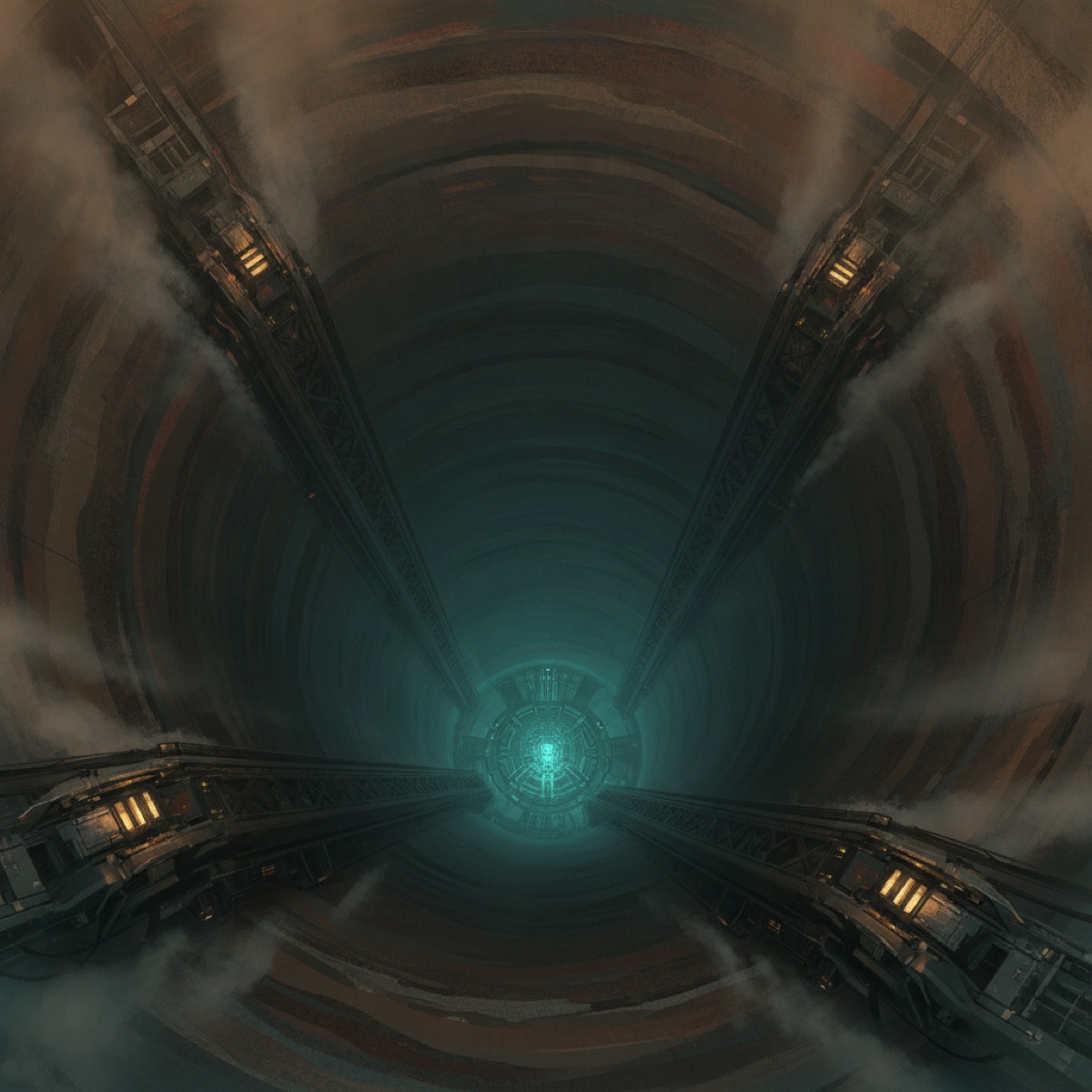
Near the surface it's packed topsoil and rusted iron — exactly what a dug trench should look like. Then basalt, with a single vein that runs a fraction too straight and glows cold blue. Then engineered near-black stone laced with hexagonal conduits. And at the bottom: iridescent, self-luminous matter that was grown, not formed. The transformation is gradual, and uncanny, and it never announces itself.
The haul
The shallow seams pay the bills. The deep ones pay for everything — if you can carry them out. Value climbs with depth; so does the risk of never spending it.
 Z1
Z1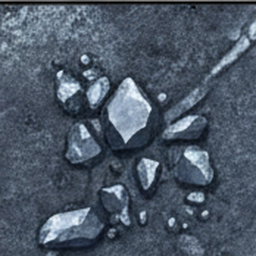 Z1
Z1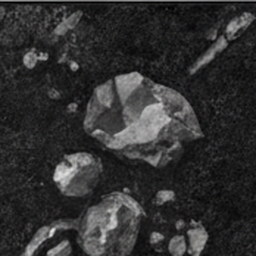 Z1
Z1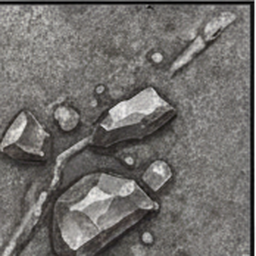 Z2
Z2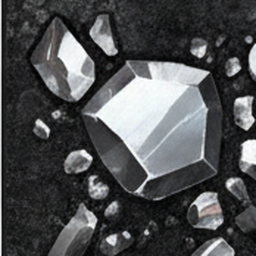 Z2
Z2 Z2
Z2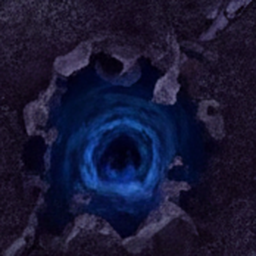 Z3
Z3 Z3
Z3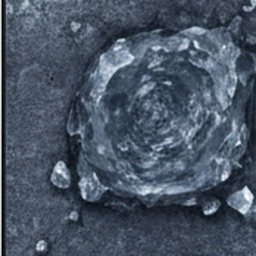 Z3
Z3 Z4
Z4 Z4
Z4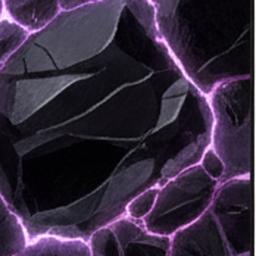 Z4
Z4 Z5
Z5 Z5
Z5 Z6
Z6Obstacles
Some hazards you see coming. Some you don't — until a sensor upgrade lets you. Each one ends the run a different way.
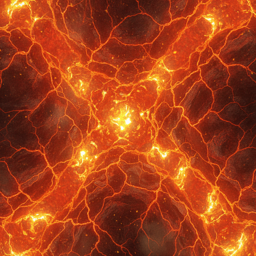
Molten seams that cook the hull on contact. No touching.

Pressurised fissures that catch fire. A visual tell warns silent-mode players.

Trapped water that floods a dig and drags a heavy pod down.

A well that bends your controls — and your descent — the wrong way.
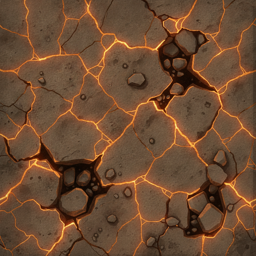
Rock that won't hold. Drill it wrong and the ceiling comes down.
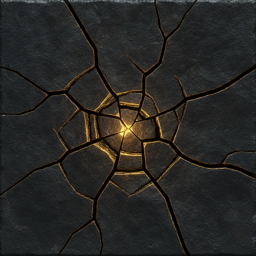
Stressed rock under load. It gives when you least want it to.

Deep-zone energy that shreds shields — and nerves — alike.

The Veth
Structures. Terminals. A material catalogued as Primesite — properties that make conventional weapons obsolete. AXIOM has known since year two of the contract. They aren't mining for the resource war three jumps away. They're mining for leverage. And the miners who reached Zone 4 didn't return, because no one was sent to bring them back.
The story is not told. It is excavated.
— across transmissions, artifacts & sealed chambers, one run at a time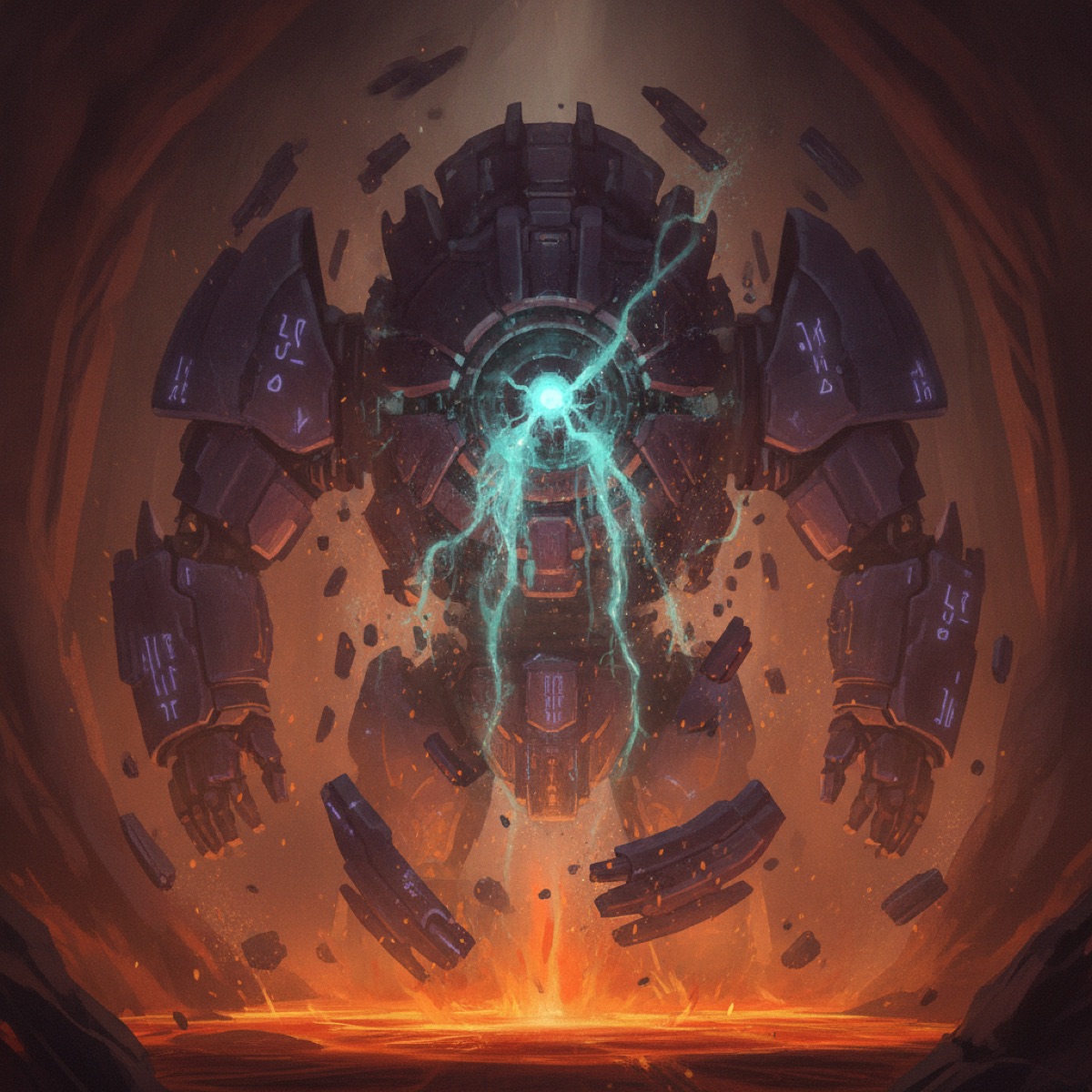
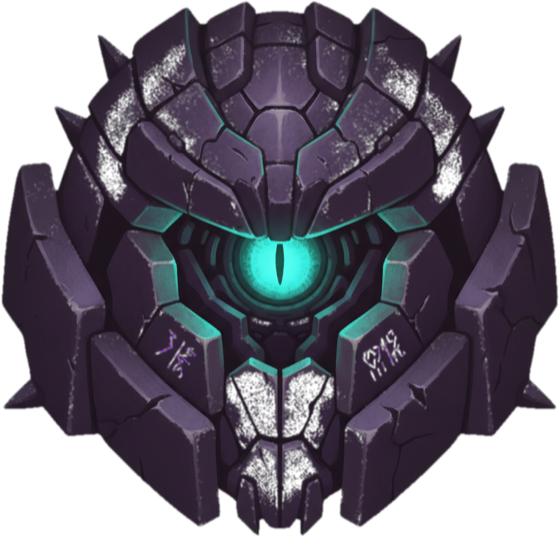
What lives in the dark



The collection
AXIOM catalogues every artifact in clean, professional language — right up to the last line, which never quite matches. A few are documented below. The rest stay sealed until you dig them up yourself.


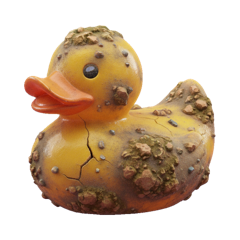
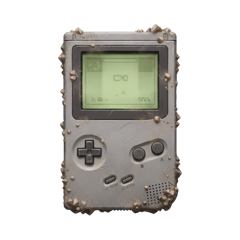
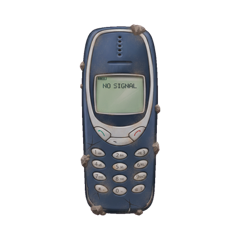
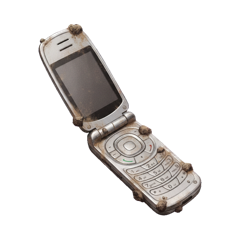

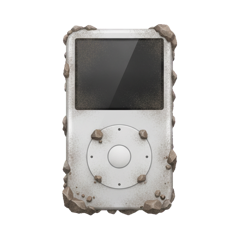
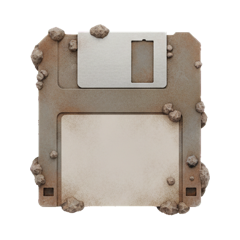
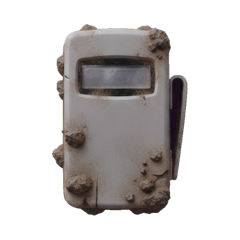
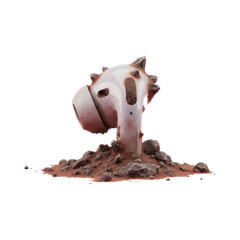


Recover them, and the contradictions start to line up.
The Cast


One miner went deep two years ago and never surfaced. Her logs wait in sealed chambers — calm at first, then fragmentary, then voiced, then cut off mid-sentence. Her name is Idris, if you dig far enough to earn it.
Factions
AXIOM signs your contracts. Others are listening on channels AXIOM swears are dead. Reputation, rival buyers, and the choice of who gets what you find — revealed closer to launch.